The finish changed after ordering.
The drawing, supplier order and customer instruction need reconciling.
LODE FOR JOINERY & SHOPFITTING
For a joinery and shopfitting business, Lode prices drawing changes, writes workshop notes and rebooks deliveries and fitters when site dates move. Someone on your team approves each one before it goes out.
30 minutes. Sample data. No account needed.
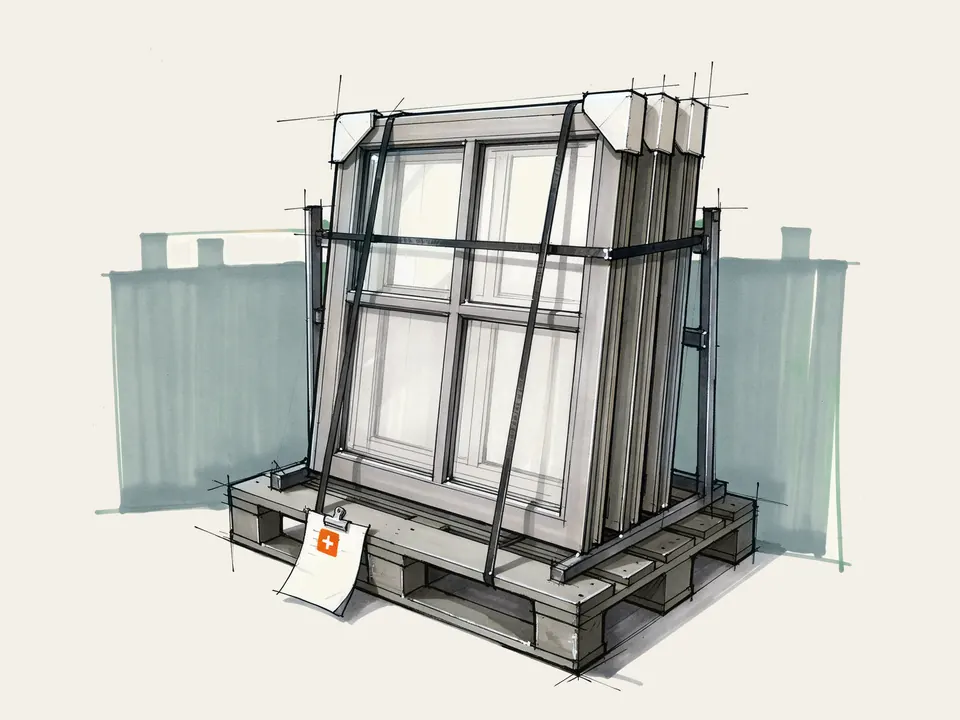
01 / THE FAMILIAR LOOSE ENDS
The drawing, supplier order and customer instruction need reconciling.
The installation team needs a clear plan before heading to site.
A change agreed during fitting still needs to reach the customer paperwork.
02 / OUT ON THE JOB
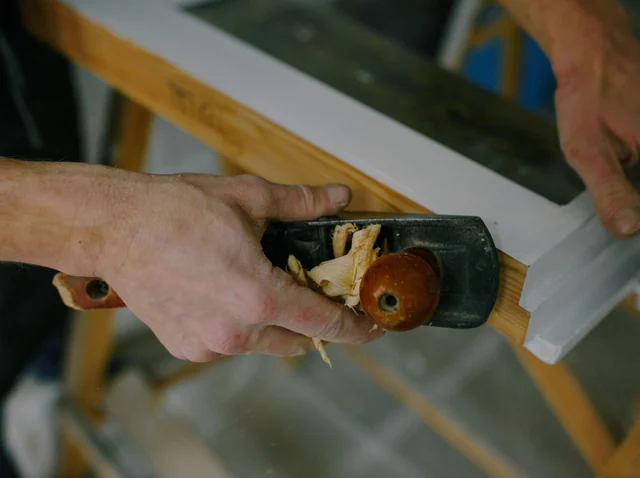
Your team makes and fits the joinery. Lode gathers finish changes, supplier questions and fitting plans, ready for your team to review.
03 / SEE THE WORK COME TOGETHER
“Please use the darker laminate on the front counter. Can you confirm availability, the price difference and the fitting date?”
A typical situation for joinery and shopfitting businesses. The original instruction stays attached to the prepared work.
Fictional example. Your team reviews the work before anything is sent, booked or issued.
04 / A FEW PRACTICAL QUESTIONS
That handover is a useful place to start. The walkthrough can follow a sample change from the customer instruction through the workshop detail to the installation plan.
We spend 30 minutes on a sample job relevant to joinery and shopfitting businesses: the instruction, the knock-on work and the result your team would review. No account or system connection is needed.
Your team keeps the final say. The examples show prepared work that you can review, amend or send back before it is issued.
05 / IN MORE DETAIL
For a joinery and shopfitting business, Lode prices drawing changes, writes workshop notes and rebooks deliveries and fitters when site dates move. Someone on your team approves each one before it goes out. US joinery work is often described as architectural millwork or casework. Shopfitting can also include the wider retail fit-out.
Before. The designer issues revision C of the counter drawing. The counter is longer and the top is now solid surface. The email goes to the contracts manager, who is on site all week. The workshop keeps cutting to revision B. The mistake shows at installation, and the remake is argued over for a month.
With Lode. Lode compares revision C with the drawing behind your quote. It drafts the variation with the added material and bench hours, priced from your rates. A note for the workshop names the superseded sheets. The contracts manager approves both on a phone between site meetings.
1. The workshop building from an old drawing. Printed sheets stay on the bench after a new revision arrives. One wrong cut list wastes board and days. Lode shows which drawing is current beside the job and drafts the workshop note. The drawing revision guide describes a simple register.
2. Orders placed before finishes are signed off. Laminates, veneers and ironmongery (hardware) have long lead times, so buyers order early. Then the client changes the finish. Lode puts the finish approval, current drawing and supplier order together for the buyer to check. For orders already placed, it prepares questions about changes, costs and delivery.
3. Site dates that change without telling the bench. The main contractor pulls the install forward or pushes it back. The workshop sequence, the delivery and the fitters all depend on that date. Lode drafts each dependent move for your approval.
Lode works from your drawings and their revisions, quotes, cut lists, material orders, client emails and the programme. A draft always shows the revision and message that triggered it. Your drawing and job software stay as they are. The records Lode works with and the named approvers are agreed with you first, before anything is connected.
BETTER BACKUP FOR JOINERY & SHOPFITTING
Bring the kind of job that keeps spilling into your evening.
We’ll show you where Lode fits.