The drawing changed. The order didn’t.
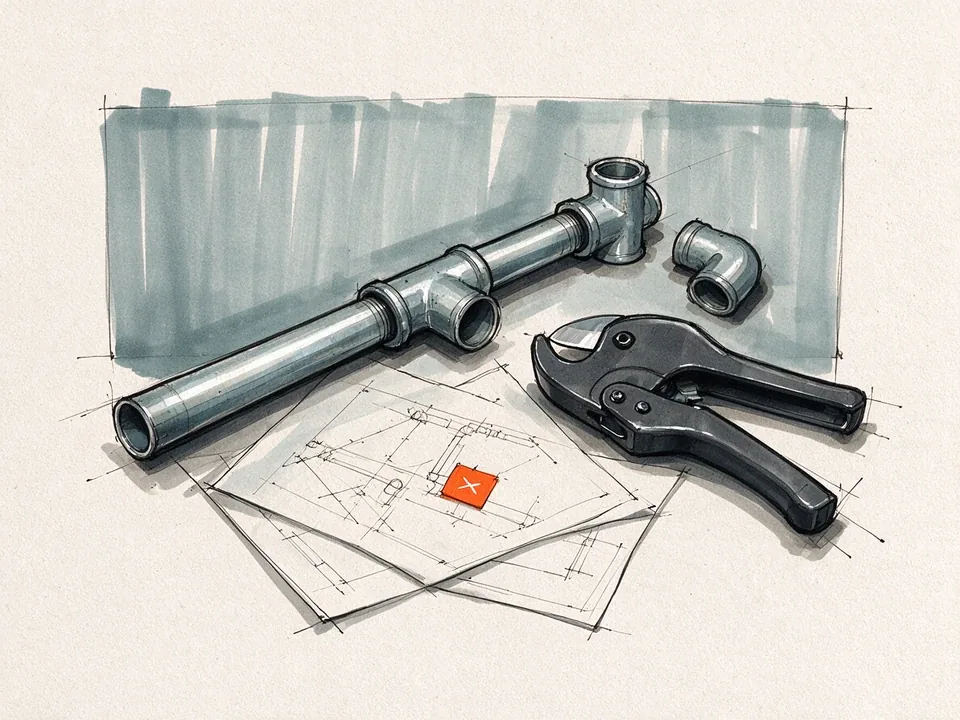
A revised route can leave you short of fittings, with nobody sure which plan is current.
LODE FOR PLUMBING
For a plumbing business, Lode writes customer replies, rebooks visits after date changes and flags finished jobs with no invoice. Someone on your team approves each one before it goes out.
30 minutes. Sample data. No account needed.
01 / THE FAMILIAR LOOSE ENDS
A revised route can leave you short of fittings, with nobody sure which plan is current.
Your team did the work. The detail you need to charge for it is still in a message.
Quotes and customer follow-ups get pushed behind the urgent work.
02 / OUT ON THE JOB
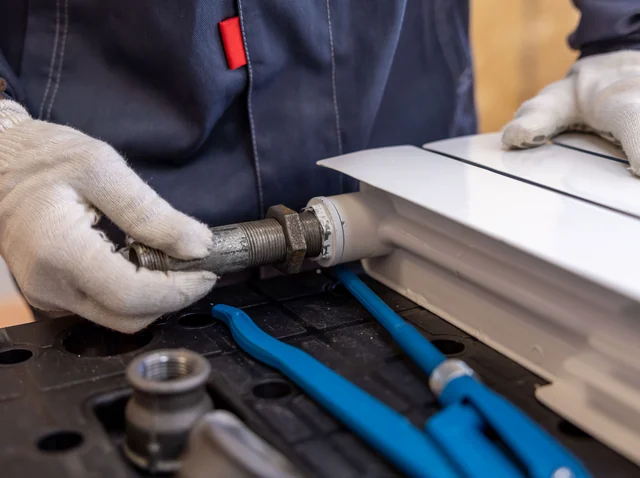
Your team handles the pipework. Lode prepares the replies, revised visits and invoice checks around it, ready for your team to review.
03 / SEE THE WORK COME TOGETHER
“Please use Rev D. The service route for plots 21–24 now runs along Wall B3. Can you confirm the impact?”
A typical situation for plumbing businesses. The original instruction stays attached to the prepared work.
Fictional example. Your team reviews the work before anything is sent, booked or issued.
04 / A FEW PRACTICAL QUESTIONS
A small job can still involve an unanswered quote, a missing part or an agreed extra. Bring a typical example to the walkthrough and we’ll show where Lode could help.
We spend 30 minutes on a sample job relevant to plumbing businesses: the instruction, the knock-on work and the result your team would review. No account or system connection is needed.
Your team keeps the final say. The examples show prepared work that you can review, amend or send back before it is issued.
05 / IN MORE DETAIL
For a plumbing business, Lode writes customer replies, rebooks visits after date changes and flags finished jobs with no invoice. Someone on your team approves each one before it goes out. A customer message can arrive while the van is already on the road. The next visit depends on parts, customer history and payment records.
Before. A tenant sends a photo of water under the sink. Someone must assess urgency and check whether the customer is known. The office then checks the nearest van, likely parts and the last invoice. Those records sit in different places while the next call is already ringing.
With Lode. Lode puts the request beside the customer history and the parts question. It drafts the reply and prepares the schedule hold, and both wait together for a decision. Nothing is sent and nothing in the schedule moves until a person approves it.
1. Urgent calls buried in message threads. A burst supply line and a slow drip can arrive in the same words: "water under the sink." The difference is often in the photo, or in a second message sent an hour later. When messages live across text, email and a shared phone, the urgent one is read after the routine ones. Keep the photos and wording beside the customer's history for the person assessing urgency.
2. Parts that were never ordered before the visit. The job may need a valve, cartridge, heating element or fitting that is missing from the van. A second trip adds cost that was never quoted. Review the parts needed before the visit. The team can then decide whether to order the part or change the schedule.
3. Invoices chased too late. A repair is finished on Tuesday, the invoice goes out after the weekend, and the reminder follows three weeks later, if someone remembers. Meanwhile a warranty callback is booked on a job that is still unpaid. Completed jobs with no invoice are the quietest leaks in the business.
Lode brings customer messages, visit history and parts records together beside each piece of work. You keep the systems your team relies on. We agree which records Lode works with and who approves before anything is connected.
BETTER BACKUP FOR PLUMBING
Bring the kind of job that keeps spilling into your evening.
We’ll show you where Lode fits.